"MIR3's web based solution provides multiple, redundant access points to
business continuity notification systems – i.e. In central command, a mobile
unit, or a remote command back up location...more
TAMP's BCP software
SOURCETRAC
Some Free packages:
- For US businesses
- VMWare "Trial" Software
Or use the search function here and
here.
A Disaster recovery plan covers the data, hardware and software critical for a
business to restart operations in the event of a natural or human-caused
disaster. It should also include plans for coping with the unexpected or sudden
loss of key personnel....more
Contingency planners: Contingency planners act as a focal point for their companies in any situation involving contingency planning or emergency response - more about the planning role and responsibilities
...more
Testing your contingency plans: Exercising your teams/doing an audit. .. the
Institute for Business & Home Safety offers a variety of tools for small
business owners to reduce their potential for loss and to reopen quickly should
they be forced to close..more
Business Continuity Planning, Disaster Recovery Planning
Definition: Disaster prevention and recovery is a coordinated (and
documented) activity to install measures to facilitate a business's continued
operation during a natural or man-made disaster or, if that operation is
interrupted, to facilitate a restoration of normal operation with minimum loss.
It includes planning for off-site backups, redundant hardware at alternate
locations, and a clear process for protecting and restoring critical
information. Disaster planning is also called Contingency Planning or Business
Continuity Planning and is used largely to refer to preventing data loss and
recovering critical data. It overlaps with
risk management. |
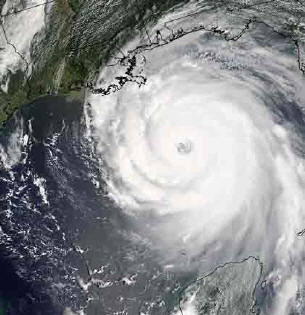 Natural disasters, sabotage, equipment failure, fires, terrorist attacks, human
or equipment error/failures, worker strikes, power failures, criminal attacks,
computer
Natural disasters, sabotage, equipment failure, fires, terrorist attacks, human
or equipment error/failures, worker strikes, power failures, criminal attacks,
computer